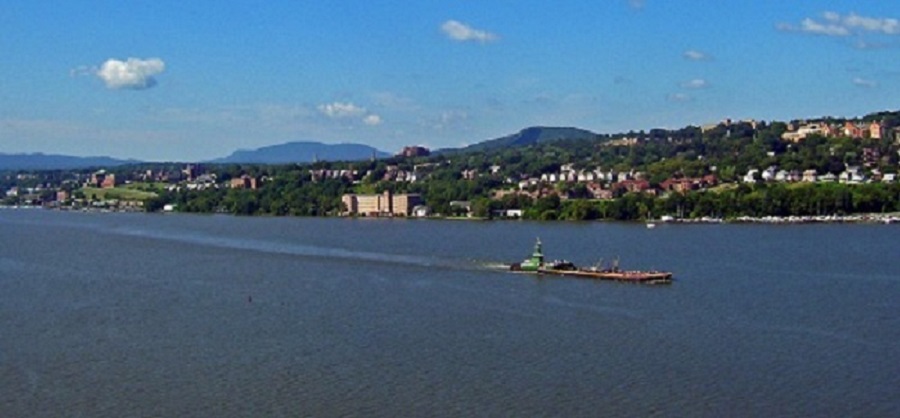
The Buffalo area was inhabited before the 17th century by Native American Iroquois tribes and later by French settlers. The city grew significantly in the 19th and 20th centuries; immigration, the Erie Canal, rail transport and proximity to Lake Erie fueled trade with the midwestern part of the nation.
Buffalo is located at the head of the Niagara River 16 miles south of Niagara Falls
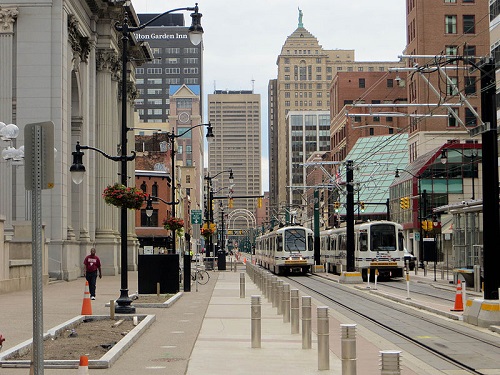
 Buffalo Metro Rail is a 6.4-miles (10.3 km) long, single line light rail system that extends from Erie Canal Harbor in downtown Buffalo to the University Heights district. Two train stations, operated by Amtrak, serve the city. Historically, it was a major stop on through routes between Chicago and New York City.
 The Story of Mobility in America
Maritime Museums in Historic Towns
Know More About It Arezza Knowledge Tourism travel@arezza.net
The Buffalo Harbor Museum is in a building that was once the home of long-time Buffalo ship chandler Howard H Baker and Company. Ship chandlery business was central to the existence of dynamic ports and their waterfronts that supplied sails and ropes and other supplies for sailing ships. Displays and exhibits provide an overview of the evolution of the Buffalo Waterfront along with artifacts from the vessels that sailed the Great Lakes.
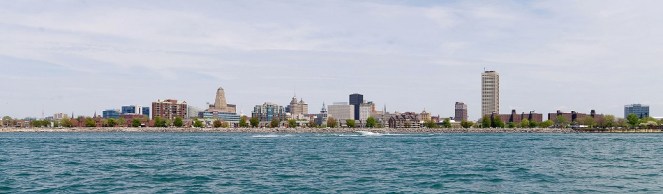 The Buffalo Maritime Center promotes traditional hand skills and a craftsman-like attitude while advancing knowledge of the Western New York maritime heritage. The high standards of craftsmanship intrinsic to the work of boat building form the basis of educational programs that encourage self-discipline, self-sufficiency, and the pride of performing meaningful work.
From the earliest canoes and flat-bottomed bateaux to canal packets and majestic yachts, regional watercraft of the Niagara Frontier have played a central role in prehistory and the history of the region. The vital water links of the Great Lakes, area rivers, and countless smaller lakes spawned unique boats, providing work for the best naval architects on the east coast.
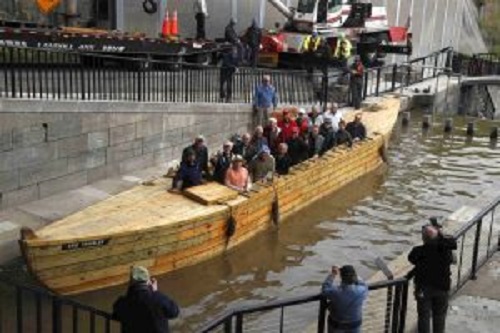 Durham boats flat-bottomed, double-ended craft were used throughout the inland waterways of North America to ferry supplies and people. They were used to transport George Washington and his troops across the Delaware River during the American Revolution and were especially common along the Niagara River to transport salt and lumber from Little Niagara (Fort Schlosser) to Black Rock. Durham boats eventually were replaced in the Niagara region by larger, more efficient canal boats after the opening of the Erie Canal in 1825.
Connect for Travel to Buffalo and Western New York State


 Cabotage Logistics