America · Cultural Heritage · Historic Towns · intercity transit · Travel · travel plan

Columbus Ohio

history transport hub industrial town breweries and historic villages
Columbus named for explorer Christopher Columbus, it was founded in 1812 at the confluence of the Scioto and Olentangy rivers; it became Ohio’s state capital in 1816. The city has a diverse economy based on education, government, insurance, banking, fashion, defense, aviation, food, clothes, logistics, steel, energy, medical research, health care, hospitality, retail, and technology.

America · Atlantic Coast · canals · Cultural Heritage · cultural itineraries · destination management · Friends and Family Travel · Historic District · Historic Towns · intercity transit · Maritime Heritage · museums · Travel · travel plan · waterways

Historic Towns on the Maryland Eastern Shore

Saint Michaels Chestertown Cambridge Salisbury and Oxford
The Eastern Shore of Maryland is comprised of nine counties with a population of nearly 450 thousand. The term Eastern Shore distinguishes a territorial part of the State from the land west of Chesapeake Bay.

America · Business · Conservation · Cultural Heritage · Efficiency · Historic Towns · intercity transit · Maritime Heritage · museums · Travel · travel plan

Preserve and Divulge Cultural Heritage

Communications Training Small Business and Entrepreneurship
Communities with traditional economies can succeed in a post-industrial environment by utilizing modern communications technologies, updating existing industrial infrastructure, local workforce training as well as supporting small businesses and new entrepreneurial opportunities.

America · Cultural Heritage · destination management · Historic Towns · intercity transit · Maritime Heritage · museums · travel plan

Richmond Manassas Norfolk and Virginia

American History and Architecture Walking and Foodie Tours Museums and Maritime Heritage
The Virginia State Capitol designed by Thomas Jefferson and featuring a hidden dome and one of Virginia’s most treasured works of art, is the oldest continually-operating legislative assembly in the Western Hemisphere.
Walking Tours stroll along Monument Avenue, the only street in the United States to be named a National Historic Landmark and take in the street’s seven larger-than-life statues and its impressive historic homes or follow the cobblestone streets of Shockoe Slip and Shockoe Bottom.
Foodie Tours Distinct Neighborhoods include Stops in Local Restaurants and Gourmet Food Shops

America · Cultural Heritage · destination management · intercity transit · Maritime Heritage · Rivers · travel plan

The Columbia River

The Columbia is the largest river in the Pacific Northwest and fourth largest by volume in the United States. Rising in the Canadian Rocky Mountains, it flows for 1,243 miles – 2,000 km – before emptying into the Pacific Ocean. Its watershed extends into seven US states and a Canadian province. The river’s heavy flow and relatively steep gives it tremendous potential for the generation of electricity

America · Atlantic Coast · Historic Towns · intercity transit · Mobility · museums · Rivers · travel plan

US Northeast to Northwest Travel

Traveling from Pennsylvania and New York to Mid America Oregon and Washington
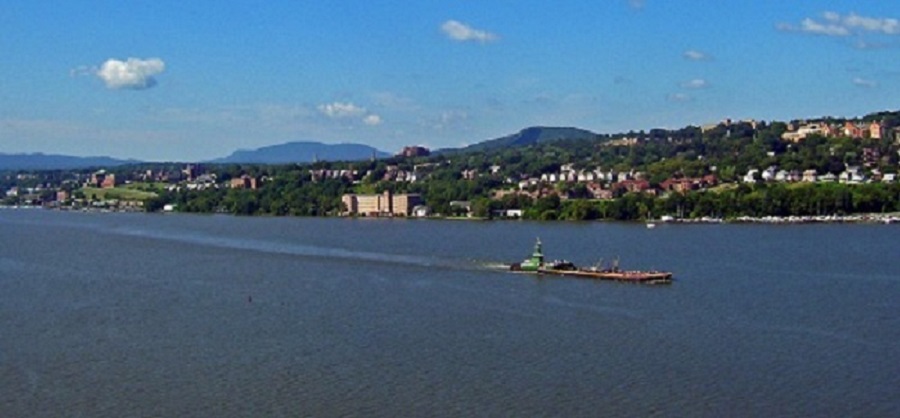
The Northeast has an illustrious history and culture; in the 21st century, it is a trend setter on the technological and environmental fronts along with agricultural innovations that accompany unique, local food, wine and brew traditions. The Lehigh and Delaware River Valley are ideal anchor location if your interests include New York City and the Hudson Valley, Philadelphia and South Central Pennsylvania.
The Hudson and the Delaware were originally called the North and South Rivers

America · Business · canals · destination management · Efficiency · Historic Towns · intercity transit · microtransit · Mobility · Travel · travel plan

Intercity and Local Transport

travel to over 60 towns via 12 routes
MTS Micropolitan Transit is an intercity and local door-to-door mobility service designed to connect air and rail service in large cities with micropolitan areas to benefit time-sensitive business travelers, vacationing families, groups and long-distance commuters. MTR is carried out in collaboration with local and regional partners across the United States.

America · canals · Cultural Heritage · Historic Towns · intercity transit · museums · Travel · travel plan

Discover Oklahoma City

A little over a century ago, Oklahoma City was a grass and timber land of gently rolling hills flattening out into prairie. Today, it sprawls across 625 square miles of America’s heartland and a population of over a million. During the 1800s, the U.S. government forcibly relocated Indian tribes from all over the country into the area known as Oklahoma Territory. There was one parcel of land that was never given over to any tribe

America · Business · Cultural Heritage · destination management · food and wine itineraries · Historic Towns · intercity transit · Mobility · museums · Transit Calculator · Travel · travel plan

Your Travel Plan

The Knowledge Tourism concept brings together local customs, values and traditions with travel management expertise to experience the historic towns trade routes that shaped America. We design and manage Itineraries for vacations, business travels as well as travel agents and tour operators with a focus on: Cultural Heritage and Local Museums, Local Food Wineries and Breweries, Resources Management and the Environment, Industry and Commerce Itineraries.

America · Cultural Heritage · Historic Towns · intercity transit · Rivers · travel plan

The North and South Platte Rivers

The Platte River originates in the state of Nebraska and is about 310 miles – 500 km – long. Measured to its farthest source via its tributary the North Platte River, it flows for over 1,050 miles – 1,690 km. The Platte is a tributary of the Missouri and Mississippi Rivers which flows to the Gulf of Mexico.
River Valley Trails played an important role in the westward expansion of the United States, providing the route for several major emigrant trails, including the Oregon, California, Mormon and Bozeman Trails. The French were the first Europeans to reach the Platte. At Casper, Wyoming the trails left the North Platte valley and followed the Sweetwater River valley and other river valleys going further west.