America · canals · Cultural Heritage · Historic Towns · intercity transit · Logistics · Maritime · Maritime Heritage · Mobility · museums · Travel · travel plan

The Chesapeake and Ohio Canal

The Chesapeake and Ohio Canal operated from 1831 until 1924 along the Potomac River from Washington, D.C., to Cumberland, Maryland. Construction on the 184.5-mile (296.9 km) course began in 1828 and ended in 1850 with the completion of a 50-mile stretch to Cumberland, rising and falling over an elevation change of 605 feet (184 meters) that required 74 locks. A planned section to Pittsburgh and the Ohio River was never built.

America · canals · Cultural Heritage · Historic Towns · intercity transit · Maritime · Maritime Heritage · Mobility · museums · Travel · travel plan

Syracuse New York and the Erie Canal Museum

Syracuse stands at the northeast corner of the Finger Lakes region and is a city comprised of many neighborhoods which were originally villages that joined the city over the years. Land to the north of town is generally flat while land to the south is hilly.

A major Crossroads for two Centuries with the Erie Canal its Branches and a Rail Network

America · canals · Cultural Heritage · Historic Towns · intercity transit · Logistics · Maritime Heritage · Mobility · museums · Travel · travel plan

The Wabash and Erie Canal

The Wabash and Erie Canal provided traders with access from the Great Lakes to the Ohio River; 460 miles long, it was the longest canal ever built in North America. The waterway was a combination of four canals: the Miami and Erie, the original Wabash and Erie from Junction to Terre Haute, Indiana, the Cross-Cut Canal from Terre Haute to Point Commerce, and the Central Canal from Worthington to Evansville.

America · canals · Cultural Heritage · Historic Towns · intercity transit · Logistics · Maritime Heritage · Mobility · museums · Travel · travel plan

Lockport Illinois and Michigan Canal and Museum

The Illinois and Michigan Canal connected the Mississippi and Great Lakes Basins. making agriculture in northern Illinois profitable by opening-up connections to eastern markets and leading to the creation of Chicago.

America · canals · Cultural Heritage · Historic Towns · intercity transit · Lakes · Logistics · Maritime Heritage · Mobility · museums · Rivers · Travel · travel plan

Chicago Illinois and the Maritime Museum

Chicago Illinois is on the southwestern shores of Lake Michigan. The Chicago Portage connects the Mississippi River and Great Lakes Watersheds. The city’s history and economy are closely tied to its proximity to Lake Michigan. While the Chicago River historically handled much of the region’s waterborne cargo, today’s lake carriers use Lake Calumet Harbor on the South Side. When founded in 1837, most of the early buildings were around the mouth of the Chicago River and the original 58 blocks.

America · canals · Cultural Heritage · Historic Towns · intercity transit · Logistics · museums · Rivers · Travel · travel plan

Houston Texas and the Maritime Museum

Architecture Home Grown Breweries Wine Trails Boating and Maritime Traditions

Houston is the largest city in Texas and the US South as well as America’s fourth-largest. A cosmopolitan destination and home to an energetic arts community, it was founded in 1836 near the banks of Buffalo Bayou. The city was named after former General Sam Houston, who was president of the Republic of Texas and commander at the Battle of San Jacinto, 25 miles – 40 km – east of where the city was established.

America · Business · canals · Conservation · Cultural Heritage · destination management · Efficiency · Historic Towns · intercity transit · Logistics · Maritime Heritage · microtransit · Mobility · museums · Rivers · Travel

Projects in Historic Towns

Mission create new sustainable wealth and economic opportunities in a community by:

Improving local knowledge and expertise,
Ensuring accountability and responsibility by participants,
Educating visitors to ensure respect for local values and traditions,
Utilizing market forces to achieve economies of scale and purchasing power,
Focusing on sustainable projects in tourism, energy efficiency and water resources,
Generating capital resources for small enterprises,
Partnering with local government and nonprofits to reach into the community.

America · canals · Cultural Heritage · Historic Towns · intercity transit · Logistics · museums · Rivers · travel plan

Hudson River Scenic and Historic Walking Tours

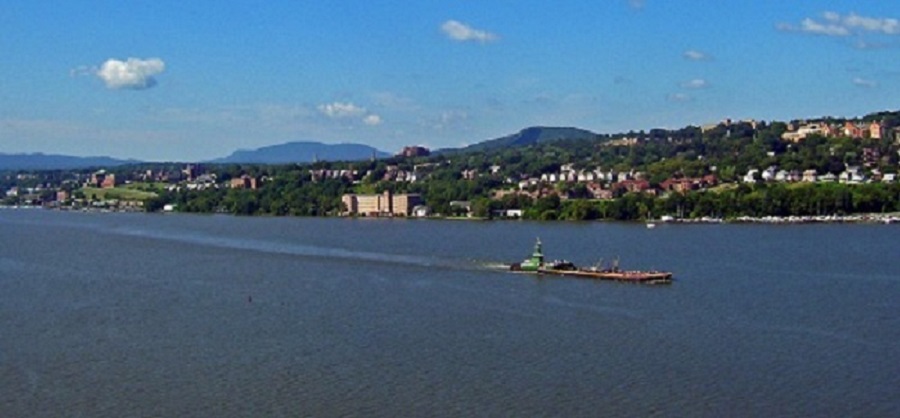
The natural beauty of the Hudson Valley has earned the Hudson River the nickname “America’s Rhineland” a comparison to the famous 40-mile (65 km) stretch of Germany’s Rhine River valley.

canals · Cultural Heritage · cultural itineraries · Friends and Family Travel · Historic District · Historic Towns · hub and spoke transport · intercity transit · Maritime Heritage · microtransit · Mobility · museums · Rivers · Travel · travel plan · waterways

Philadelphia and the Delaware River Valley

River Walk and Bike Trails Food Wine Ale and Neighborhood Preservation

The Delaware River Valley is the metropolitan area centered on the city of Philadelphia, the region’s major commercial, cultural, and industrial center. Among the many sights to take in when visiting the first capital of the United States: The Liberty Bell Center which houses the American Revolution’s defining symbol, the site of the meetings of Congress and the Constitutional Convention at the City Tavern in the Old City as well as Carpenters Hall. In Declaration House, visitors can see where Thomas Jefferson drafted the Declaration of Independence and Independence Hall where it was signed.