Atlantic Coast · Commerce · Cultural Heritage · destination management · Geography · Historic Towns · intercity transit · Mobility · public transit · Resilience · Sustainable Communities · travel plan · water quality

Community Planning

The Montgomery County, Maryland Experience
As Montgomery County continues to attract an increasingly diverse, technologically savvy, well-educated population, the Planning Department focuses its skills and talents to bring high-quality design in both form and function to all areas, from central business districts to rural villages and improve quality of life by conserving and enhancing the natural and built environment for current and future generations.

Build Operate Transfer · Business · Commerce · Conservation · destination management · Efficiency · Geography · Historic Towns · intercity transit · microtransit · Mobility · Travel

Build Operate and Transfer Projects

Travel and Mobility Services, Energy Efficiency and Water Conservation
The Concept a program anchored in communities with a history as hub cities, hence a reliance on connections and collaborations within and among regions, resulting in a national trading platform with economies of scale utilizing historic trade routes and state of the art products and services to the benefit of community commuters, residents and visitors.
The Objective achieve economies of scale pricing in selected communities around the US in the areas of travel, destination management, transit, 5G, energy efficiency and water conservation

Cultural Heritage · cultural itineraries · destination management · food and wine itineraries · Geography · Historic Towns · Mobility · museums · Rivers · Transit Calculator · travel plan · waterways

Hershey Harrisburg and the Susquehanna River Valley

On Day 3 of your travel program, you transfer to the Hershey Harrisburg Region – 2 nights 3 Days.
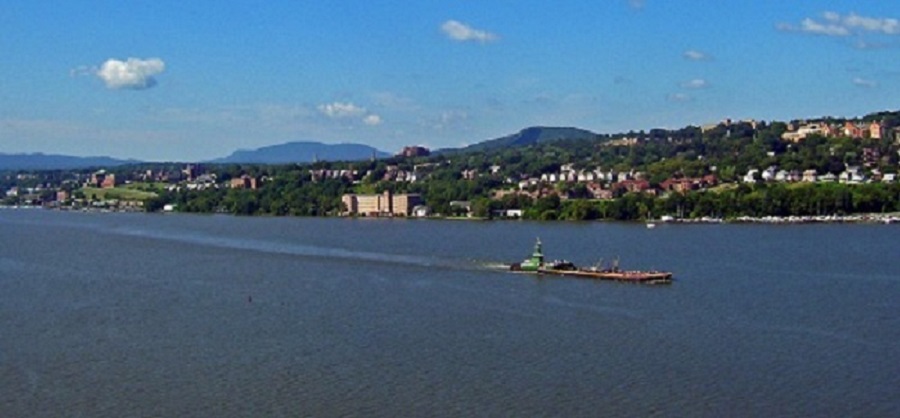
The Susquehanna River is 464 miles (747 km) long and is the longest river on the US East Coast. With its watershed, it is the 16th-largest river in the United States, and the longest river in the continental United States without commercial boat traffic today. In the Canal Era, navigation improvements were made to enhance the river for barge shipping of bulk goods by water on the Pennsylvania Canal.

Cultural Heritage · destination management · Geography · Historic Towns · intercity transit · Rivers · Transit Calculator · Travel · travel plan · waterways

Lafayette Louisiana

history geography local culture and transport services
History the Attakapas Native Americans inhabited this area when French colonists founded the first European settlement, Petit Manchac, a trading post. In the late eighteenth century, numerous Acadian refugees settled here after being expelled from Canada; intermarriage led to the Cajun culture which fostered the French language and the Catholic religion. Vermilionville was renamed in 1884 for General Lafayette, the French aristocrat who aided the Continental Army during the American Revolutionary War. The city and parish economy continued to be based on agriculture into the early 20th century. In the 1940s, after oil was discovered in the parish, oil and natural gas became dominant.

canals · destination management · Geography · Historic Towns · museums · Rivers · Transit Calculator · Travel · travel plan

Fort Wayne Indiana

architecture manufacturing the arts culture and river greenway
Located at the center of northeastern Indiana, Fort Wayne is located 18 miles (29 km) west of the Ohio border, 50 miles (80 km) south of the Michigan border and within a 300-mile (482 km) radius of Chicago, Cincinnati, Cleveland, Columbus, Detroit, Indianapolis, Louisville, Lexington, and Milwaukee.
Origins built in 1794 by General Anthony Wayne as the last in a series of forts built near the Miami village of Kekionga, this European-American settlement developed at the confluence of the St. Joseph, St. Mary and Maumee rivers and later underwent growth with the Wabash and Erie Canal and the railroad. The term Summit City refers to the city’s position at the highest elevation along the canal’s route.

Business · destination management · Efficiency · entrepreneurs · Geography · Historic Towns · intercity transit · renewable energy · Rivers · travel plan

Gillette Wyoming

Gillette is centrally located in an area involved with the development of vast quantities of American coal, oil and gas Over the last decade, the population has increased 48 percent. Founded in 1891 with the coming of the Chicago, Burlington & Quincy Railroad, it was named for Edward Gillette, who worked as a surveyor for the company

Business · Cultural Heritage · cultural itineraries · destination management · Geography · Historic Towns · Travel · travel plan

Ardmore Oklahoma

business culture and tourism
Ardmore is the hub of a ten-county region known as Lake and Trail Country in South Central Oklahoma located 90 miles – 140 km – from both Oklahoma City and Dallas Forth Worth. It was named after the Philadelphia historic main line town and a town in County Waterford, Ireland.

Business · Conservation · Cultural Heritage · destination management · Efficiency · entrepreneurs · Geography · Historic Towns · intercity transit · Logistics · microtransit · Mobility · museums · Rivers · Sustainable Communities · water quality · waterways

Geography Community and Climate Change

Increased urbanization and mass migrations over the last century are key to understanding human factors in climate change; these are best understood by a careful reading of history and geography in your community. Regions of the Earth that are successfully addressing environmental problems should assist other communities, regardless of their location, set an example and provide knowledge and expertise.

Business · Conservation · Cultural Heritage · cultural itineraries · destination management · Efficiency · food and wine itineraries · Geography · Logistics · Sustainable Communities · Tradition · Travel

The Geography of Food

Cradle of Civilization the Mediterranean Sea connects Europe, Africa and Asia. Food traditions have played a vital role in helping to preserve the uniqueness of this area and local resources such as wheat, olives and grapes. Here, a meal is both the act of eating food and an essential aspect of social and cultural life. The Mediterranean diet implies taking the time to enjoy a meal around the table with several convivial rituals that have survived for generations still practiced today. Mediterranean people spend more time preparing and tasting their meals than anyone else. With a healthy diet that ensures the preservation of agricultural biodiversity,

America · Business · destination management · Geography · Historic Towns · intercity transit · museums · Transit Calculator · travel plan · Travel Plan Fees

Smart Trip Planning

Most Travelers to Europe and North America tend to visit three to four metropolitan areas in a compressed period of time, typically 7 to 10 days, especially when traveling as a family or group, with the former likely to include small children and the elderly and the latter comprising multiple interests ranging from cultural to culinary, wellness and the environment. Similarly, business travelers are in need of an efficient plan to meet their trip objectives.