Atlantic Coast · canals · Conservation · Cultural Heritage · cultural itineraries · destination management · food and wine itineraries · Friends and Family Travel · Historic Towns · intercity transit · museums · Tradition · travel plan · waterways · Wine Trails

Mid-Atlantic Rivers Canals and Trails

the Hudson Delaware and Susquehanna Valleys
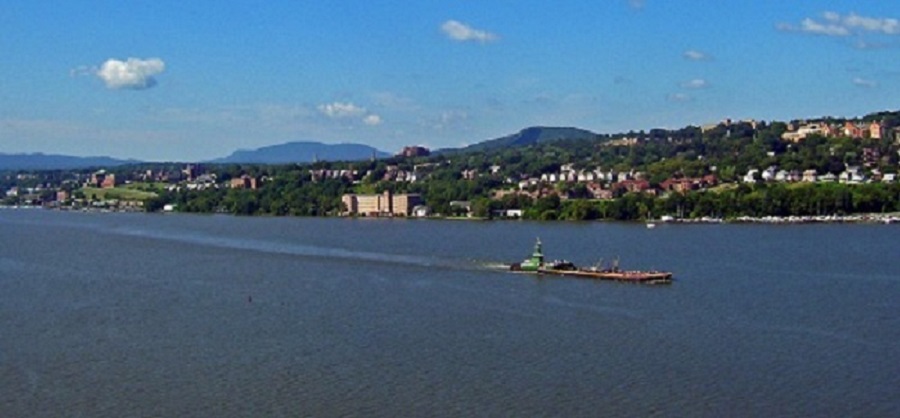
The Hudson Valley extends 150 miles above the tip of Manhattan. Designated as a National Heritage Area, the valley is steeped in history, natural beauty, culture, food and farmers’ markets. The first Dutch settlement was established at Fort Nassau, a trading post south of present-day Albany, in the early 17th century, with the purpose of exchanging European goods for beaver pelts. During the French and Indian War in the 1750s, the northern end of the valley became the bulwark of the British defense against French invasion from Canada via Lake Champlain. The valley also became one of the major regions of conflict during the American Revolution.

canals · Cultural Heritage · Historic Towns · intercity transit · Rivers · travel plan

Delaware and Lehigh Valleys Coal Iron Steel and Canals

The Delaware & Lehigh five county region of Northeastern Pennsylvania developed in the late 18th Century because of the anthracite mines, the iron and steel industries, and the canals built to reach Philadelphia.

America · canals · Cultural Heritage · Historic Towns · intercity transit · Logistics · Maritime · Maritime Heritage · Mobility · museums · Travel · travel plan

The Chesapeake and Ohio Canal

The Chesapeake and Ohio Canal operated from 1831 until 1924 along the Potomac River from Washington, D.C., to Cumberland, Maryland. Construction on the 184.5-mile (296.9 km) course began in 1828 and ended in 1850 with the completion of a 50-mile stretch to Cumberland, rising and falling over an elevation change of 605 feet (184 meters) that required 74 locks. A planned section to Pittsburgh and the Ohio River was never built.