Cultural Heritage · cultural itineraries · destination management · Historic Towns · Maritime · Maritime Heritage · museums · Rivers · travel plan · waterways

Paducah Kentucky

trade transportation arts and culture
Paducah is located at the confluence of the Ohio and Tennessee rivers, between St Louis and Nashville. The city is the hub of a micropolitan area comprising Kentucky and Illinois counties. First settled in 1821 and laid out by William Clark of the Lewis and Clark Expedition, it was named Padoucas, the word for Comanche from a Spanish transliteration.

Cultural Heritage · cultural itineraries · destination management · food and wine itineraries · Historic Towns · Maritime Heritage · museums · Rivers · travel plan · waterways

Cape Girardeau Missouri

river trade steamboats trading posts bridges murals and historic sites
Cape Girardeau is named after Jean Baptiste de Girardot, who established a trading post in the area around 1733. As early as 1765, a bend in the Mississippi River, had been referred to as Cape Girardot or Girardeau. In 1799, American settlers founded the first English school west of the Mississippi at a landmark called Mount Tabor, named by the settlers for the Biblical Mount Tabor.

America · Atlantic Coast · canals · Cultural Heritage · destination management · Historic Towns · Logistics · Maritime · Maritime Heritage · Mobility · museums · Rivers · Travel

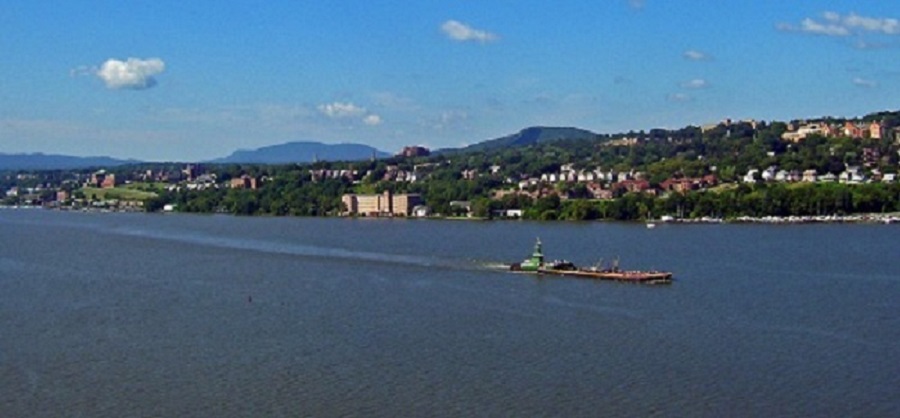
Newburgh Port Jervis Kingston and the Hudson River Maritime Museum

Located in southeastern New York State, Orange County is directly north of the border with New Jersey, west of the Hudson River, east of the Delaware and northwest of New York City. Points of interest in Orange County include the US Military Academy at West Point, America’s oldest winery in Washingtonville, the Harness Racing Museum and… Continue reading Newburgh Port Jervis Kingston and the Hudson River Maritime Museum

America · canals · Cultural Heritage · Historic Towns · intercity transit · Logistics · Maritime · Maritime Heritage · Mobility · museums · Travel · travel plan

The Chesapeake and Ohio Canal

The Chesapeake and Ohio Canal operated from 1831 until 1924 along the Potomac River from Washington, D.C., to Cumberland, Maryland. Construction on the 184.5-mile (296.9 km) course began in 1828 and ended in 1850 with the completion of a 50-mile stretch to Cumberland, rising and falling over an elevation change of 605 feet (184 meters) that required 74 locks. A planned section to Pittsburgh and the Ohio River was never built.

America · canals · Cultural Heritage · Historic Towns · intercity transit · Logistics · Maritime Heritage · Mobility · museums · Travel · travel plan

Lockport Illinois and Michigan Canal and Museum

The Illinois and Michigan Canal connected the Mississippi and Great Lakes Basins. making agriculture in northern Illinois profitable by opening-up connections to eastern markets and leading to the creation of Chicago.