America · canals · Cultural Heritage · destination management · Historic Towns · intercity transit · Maritime Heritage · museums · Rivers · travel plan

Historic Towns in the Lehigh Valley

Historic Towns in the Lehigh Valley Allentown Bethlehem Easton Nazareth Hazleton Jim Thorpe Wilkes-Barre. Allentown was a rural village founded in 1762 by William Allen, Chief Justice of Colonial Pennsylvania’s Supreme Court, known as Northampton town. A thriving town with roots in the iron industry, by 1829 Allentown expanded from a small Pennsylvania Dutch village of farmers and tradesmen to a center of commerce. With the opening of the Lehigh Canal, many canal workers made their homes here Barre

Business · Conservation · Cultural Heritage · destination management · Efficiency · entrepreneurs · Geography · Historic Towns · intercity transit · Logistics · microtransit · Mobility · museums · Rivers · Sustainable Communities · water quality · waterways

Geography Community and Climate Change

Increased urbanization and mass migrations over the last century are key to understanding human factors in climate change; these are best understood by a careful reading of history and geography in your community. Regions of the Earth that are successfully addressing environmental problems should assist other communities, regardless of their location, set an example and provide knowledge and expertise.

canals · Conservation · Cultural Heritage · destination management · Efficiency · Historic Towns · intercity transit · Maritime Heritage · Mobility · museums · Rivers · travel plan

Travel Destinations and Learning Experiences

Personalized Travel Programs for families, schools and theme groups with environmental training, visits to state-of-the-art transit facilities and museums featuring the history of rail and water transport.

Cultural Heritage · Historic Towns · intercity transit · Maritime · Maritime Heritage · Rivers · Travel · travel plan

The Ohio River

The Ohio River is formed by the confluence of the Allegheny and Monongahela Rivers in Pittsburgh. From there, it flows northwest before making an abrupt turn to the southwest at the Ohio, West Virginia and Pennsylvania border. The Ohio then follows a roughly west-northwest course until Cincinnati, before bending southwest for the remainder of its journey through the US Midwest and joining the Mississippi at Cairo, Illinois. The 981 mile – 1,579 km – river flows through or along the border of six states; its basin includes parts of 15 states. The Ohio’s largest tributary is the Tennessee River.

America · Cultural Heritage · destination management · intercity transit · Maritime Heritage · Rivers · travel plan

The Columbia River

The Columbia is the largest river in the Pacific Northwest and fourth largest by volume in the United States. Rising in the Canadian Rocky Mountains, it flows for 1,243 miles – 2,000 km – before emptying into the Pacific Ocean. Its watershed extends into seven US states and a Canadian province. The river’s heavy flow and relatively steep gives it tremendous potential for the generation of electricity

America · Atlantic Coast · Historic Towns · intercity transit · Mobility · museums · Rivers · travel plan

US Northeast to Northwest Travel

Traveling from Pennsylvania and New York to Mid America Oregon and Washington
The Northeast has an illustrious history and culture; in the 21st century, it is a trend setter on the technological and environmental fronts along with agricultural innovations that accompany unique, local food, wine and brew traditions. The Lehigh and Delaware River Valley are ideal anchor location if your interests include New York City and the Hudson Valley, Philadelphia and South Central Pennsylvania.
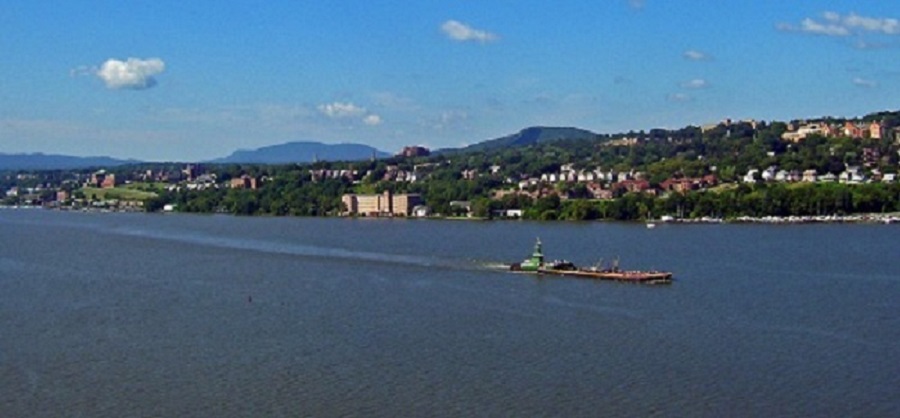
The Hudson and the Delaware were originally called the North and South Rivers

America · Cultural Heritage · Historic Towns · intercity transit · Rivers · travel plan

The North and South Platte Rivers

The Platte River originates in the state of Nebraska and is about 310 miles – 500 km – long. Measured to its farthest source via its tributary the North Platte River, it flows for over 1,050 miles – 1,690 km. The Platte is a tributary of the Missouri and Mississippi Rivers which flows to the Gulf of Mexico.
River Valley Trails played an important role in the westward expansion of the United States, providing the route for several major emigrant trails, including the Oregon, California, Mormon and Bozeman Trails. The French were the first Europeans to reach the Platte. At Casper, Wyoming the trails left the North Platte valley and followed the Sweetwater River valley and other river valleys going further west.

America · Cultural Heritage · destination management · food and wine itineraries · Historic Towns · intercity transit · museums · Rivers · travel plan · Wine Trails

Touring the American South

A Journey from the Atlantic to the Gulf Coast up the Mississippi River to Appalachia
Virginia
The Towns and Villages of Loudoun County Historic Small Towns Itineraries and Wine Tours
Historic Alexandria Virginia Step back to 18th-century America, walk the cobblestone streets, tour stately mansions and museums, explore the true stories of Civil War Alexandria, take a river cruise or bike to Mount Vernon, sip award-winning locally-crafted beer on the waterfront, and shop in Old Town’s boutiques, vintage shops and trendy art galleries.
A Civil War Experience in Prince William and Manassas

canals · Conservation · Cultural Heritage · Historic Towns · Maritime Heritage · Rivers · travel plan

Potomac River Trails

The Lower Potomac, Anacostia, Patuxent and Wicomico rivers are among the major waterways in the region, but hundreds of smaller streams, creeks and rivers abound providing numerous opportunities for recreational boating.
Anacostia River Watershed 176 square mile area of land encompasses most of the eastern half of the District of Columbia and large portions of Prince George’s County and Montgomery County in Maryland. The Anacostia has 13 major tributary creeks and streams many with their own sub-watershed citizen advocacy groups; it starts near Bladensburg, MD, and runs for 8.5 miles before meeting the Potomac River at Hains Point in Washington, DC.
A Watershed is where Water Flows into a River or other body of water; we all Live inside a Watershed

Cultural Heritage · destination management · Historic Towns · intercity transit · Mobility · museums · Rivers · travel plan · waterways

Architectural Historic and River Trails in Alton Illinois

Alton is located 25 Miles north of St. Louis amid the confluence of three navigable rivers, the Mississippi, the Illinois and the Missouri, as a river trading and industrial town whose waterfront features concrete grain silos and railroad tracks for the shipping of grains and produce. Once the site of several brick factories, Alton’s streets are paved in brick along with many commercial buildings located downtown. The Great Rivers Region is accessible from six interstates, an international airport and an Amtrak station.