Atlantic Coast · canals · Conservation · Cultural Heritage · cultural itineraries · destination management · food and wine itineraries · Friends and Family Travel · Historic Towns · intercity transit · museums · Tradition · travel plan · waterways · Wine Trails

Mid-Atlantic Rivers Canals and Trails

the Hudson Delaware and Susquehanna Valleys
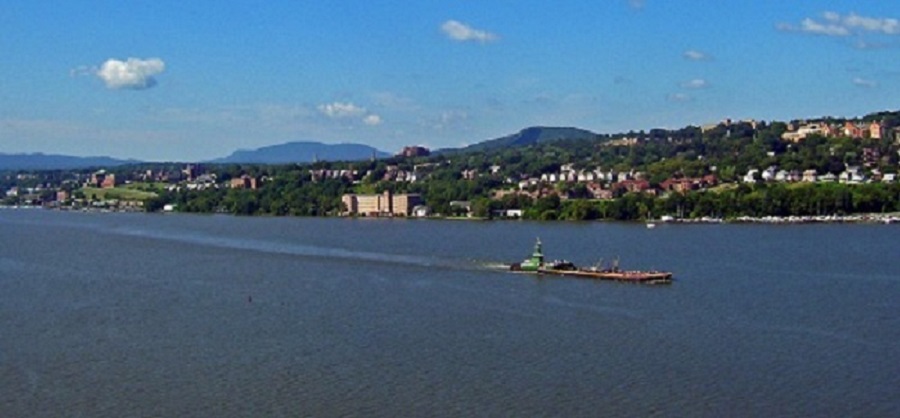
The Hudson Valley extends 150 miles above the tip of Manhattan. Designated as a National Heritage Area, the valley is steeped in history, natural beauty, culture, food and farmers’ markets. The first Dutch settlement was established at Fort Nassau, a trading post south of present-day Albany, in the early 17th century, with the purpose of exchanging European goods for beaver pelts. During the French and Indian War in the 1750s, the northern end of the valley became the bulwark of the British defense against French invasion from Canada via Lake Champlain. The valley also became one of the major regions of conflict during the American Revolution.

Cultural Heritage · destination management · Geography · Historic Towns · intercity transit · Rivers · Transit Calculator · Travel · travel plan · waterways

Lafayette Louisiana

history geography local culture and transport services
History the Attakapas Native Americans inhabited this area when French colonists founded the first European settlement, Petit Manchac, a trading post. In the late eighteenth century, numerous Acadian refugees settled here after being expelled from Canada; intermarriage led to the Cajun culture which fostered the French language and the Catholic religion. Vermilionville was renamed in 1884 for General Lafayette, the French aristocrat who aided the Continental Army during the American Revolutionary War. The city and parish economy continued to be based on agriculture into the early 20th century. In the 1940s, after oil was discovered in the parish, oil and natural gas became dominant.

Cultural Heritage · destination management · Historic Towns · microtransit · Mobility · Rivers · Transit Calculator · travel plan · waterways

Morgantown West Virginia

historic neighborhoods industry river shipping and personal rapid transit
Morgantown is located just south of the Mason-Dixon Line, 75 miles (121 km) south of Pittsburgh, 208 mi (335 km) north-northwest of Washington, D.C., 204 mi (328 km) east of Columbus and 156 miles (251 km) northeast of Charleston, WV.
The History of Morgantown is closely tied to the Anglo-French struggle for this territory. Until the Treaty of Paris in 1763, the area was greatly contested by white settlers and Native Americans, and by British and French soldiers. Several forts were built during this time, including Fort Morgan in 1772 when Zackquill Morgan established a homestead near present-day Fayette Street and University Avenue.

Cultural Heritage · cultural itineraries · destination management · food and wine itineraries · Historic Towns · Rivers · Tradition · travel plan · waterways

Jackson Mississippi

southern culture and history soul food and music literature architecture
The region that is now the city of Jackson was historically part of the large territory occupied by the Choctaw Nation and the historic culture of the Muskogean-speaking peoples that inhabited the area for thousands of years.
Located on the historic Natchez Trace trade route, created by Native Americans and used by European-American settlers, and on the Pearl River, the city’s first European-American settler was trader Louis Le Fleur. In the late 18th century and early 19th century, Jackson was a trading post connected to markets in Tennessee.

Cultural Heritage · cultural itineraries · destination management · food and wine itineraries · Historic Towns · Maritime Heritage · museums · Rivers · travel plan · waterways

Cape Girardeau Missouri

river trade steamboats trading posts bridges murals and historic sites
Cape Girardeau is named after Jean Baptiste de Girardot, who established a trading post in the area around 1733. As early as 1765, a bend in the Mississippi River, had been referred to as Cape Girardot or Girardeau. In 1799, American settlers founded the first English school west of the Mississippi at a landmark called Mount Tabor, named by the settlers for the Biblical Mount Tabor.

America · destination management · Logistics · Travel

Alexandria Minnesota and the Legacy of the Lakes Museum

The Village of Alexandria was settled in 1858 and named after brothers Alexander and William Kinkead from Maryland. The form of the name alludes to Alexandria, Egypt, a center of learning and civilization. W.E. Hicks was pivotal to the early development of the town. He purchased the townsite in 1868 and established a mill, hotel,… Continue reading Alexandria Minnesota and the Legacy of the Lakes Museum

America · destination management · Logistics · Travel

La Crosse Wisconsin

railroads ridges brews wines and a historic downtown La Crosse is located at the intersection of the Black, La Crosse and Mississippi rivers in Western Wisconsin in a broad plain between the river bank and the tall bluffs typical of the Driftless area. The Coulee Region is Characterized by High Ridges Dissected by Narrow Valleys History French… Continue reading La Crosse Wisconsin

America · Conservation · Logistics · Travel

The Susquehanna River Valley

The Susquehanna River is 464 miles (747 km) long and is the longest river on the US East Coast. With its watershed, it is the 16th-largest river in the United States, and the longest river in the continental United States without commercial boat traffic today. In the Canal Era, navigation improvements were made to enhance the… Continue reading The Susquehanna River Valley

Cultural Heritage · Historic Towns · intercity transit · microtransit · museums · Rivers · travel plan

A La Crosse Wisconsin Travel Itinerary

rivers railroads ridges beer wine and a historic downtown

La Crosse is located at the intersection of the Black, La Crosse and Mississippi rivers in Western Wisconsin in a broad plain between the river bank and the tall bluffs typical of the Driftless area.

The Coulee Region is Characterized by High Ridges Dissected by Narrow Valleys