America · Atlantic Coast · Cultural Heritage · destination management · Historic Towns · Logistics · Maritime · Maritime Heritage · Mobility · museums · Rivers · Travel

Tuckerton Borough Seaport New Jersey and the Bay Men Museum

Tuckerton Borough and Ocean County nestled in Southern Ocean County between the Pine Barrens and the Bay, Tuckerton Borough was once a thriving seaport community. Ocean County is home to one-third of the Jersey Shore’s 44 miles of the Atlantic Ocean coastline with sandy beaches, surfing, fishing and water sports. New Jersey’s first summer resort… Continue reading Tuckerton Borough Seaport New Jersey and the Bay Men Museum

America · Atlantic Coast · canals · Cultural Heritage · destination management · Historic Towns · Logistics · Maritime · Maritime Heritage · Mobility · museums · Rivers · Travel

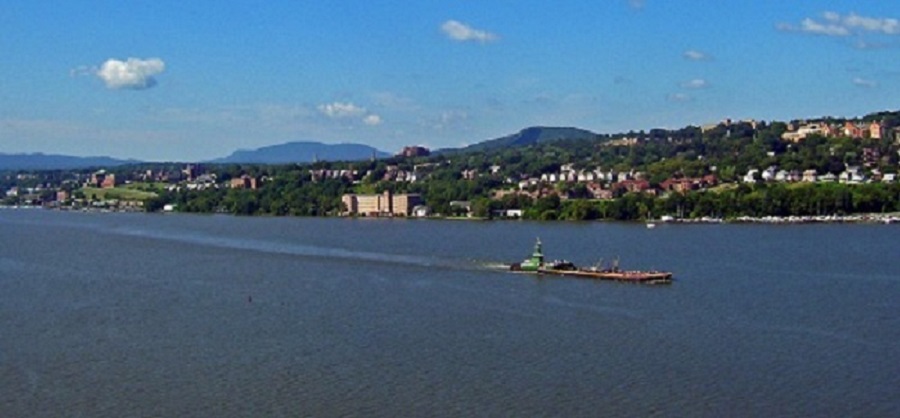
Newburgh Port Jervis Kingston and the Hudson River Maritime Museum

Located in southeastern New York State, Orange County is directly north of the border with New Jersey, west of the Hudson River, east of the Delaware and northwest of New York City. Points of interest in Orange County include the US Military Academy at West Point, America’s oldest winery in Washingtonville, the Harness Racing Museum and… Continue reading Newburgh Port Jervis Kingston and the Hudson River Maritime Museum

America · Atlantic Coast · canals · Cultural Heritage · Historic Towns · Logistics · Maritime · Maritime Heritage · microtransit · Mobility · museums · Travel · travel plan

Delaware City Chesapeake City and the C&D Canal

The Delaware City Historic District is significant for its architecture, for its beginnings as a planned settlement, and for its importance as a nineteenth century canal-oriented transportation center. The town was envisioned by its backers as a place that would develop into a major shipping and trading point for traffic that passed along this trans-peninsular trade route, and so, its early plans were based on the completion of the Chesapeake and Delaware Canal

America · canals · Cultural Heritage · Historic Towns · intercity transit · Logistics · Maritime · Maritime Heritage · Mobility · museums · Travel · travel plan

The Chesapeake and Ohio Canal

The Chesapeake and Ohio Canal operated from 1831 until 1924 along the Potomac River from Washington, D.C., to Cumberland, Maryland. Construction on the 184.5-mile (296.9 km) course began in 1828 and ended in 1850 with the completion of a 50-mile stretch to Cumberland, rising and falling over an elevation change of 605 feet (184 meters) that required 74 locks. A planned section to Pittsburgh and the Ohio River was never built.

America · Cultural Heritage · Historic Towns · intercity transit · Logistics · Maritime · Maritime Heritage · Mobility · museums · Travel · travel plan

The Delaware and Hudson Canal

History a British blockade preceding the War of 1812 cut off the supply of imported bituminous coal led to the commercial development of Pennsylvania’s anthracite coal fields. But transporting the anthracite from the mines to coastal markets was a problem; a water route would be required given the weight of the coal and the poor condition of the roads.

America · canals · Cultural Heritage · Historic Towns · intercity transit · Maritime · Maritime Heritage · Mobility · museums · Travel · travel plan

Syracuse New York and the Erie Canal Museum

Syracuse stands at the northeast corner of the Finger Lakes region and is a city comprised of many neighborhoods which were originally villages that joined the city over the years. Land to the north of town is generally flat while land to the south is hilly.

A major Crossroads for two Centuries with the Erie Canal its Branches and a Rail Network

America · canals · Cultural Heritage · Historic Towns · intercity transit · Logistics · Maritime Heritage · Mobility · museums · Travel · travel plan

The Wabash and Erie Canal

The Wabash and Erie Canal provided traders with access from the Great Lakes to the Ohio River; 460 miles long, it was the longest canal ever built in North America. The waterway was a combination of four canals: the Miami and Erie, the original Wabash and Erie from Junction to Terre Haute, Indiana, the Cross-Cut Canal from Terre Haute to Point Commerce, and the Central Canal from Worthington to Evansville.

America · canals · Cultural Heritage · Historic Towns · intercity transit · Logistics · Maritime Heritage · Mobility · museums · Travel · travel plan

Lockport Illinois and Michigan Canal and Museum

The Illinois and Michigan Canal connected the Mississippi and Great Lakes Basins. making agriculture in northern Illinois profitable by opening-up connections to eastern markets and leading to the creation of Chicago.

America · destination management · Historic Towns · Logistics · Maritime · Mobility · museums · Travel

Buffalo Western New York Maritime Heritage and Museums

The Buffalo area was inhabited before the 17th century by Native American Iroquois tribes and later by French settlers. The city grew significantly in the 19th and 20th centuries; immigration, the Erie Canal, rail transport and proximity to Lake Erie fueled trade with the midwestern part of the nation. Buffalo is located at the head… Continue reading Buffalo Western New York Maritime Heritage and Museums

America · destination management · Historic Towns · Logistics · Maritime · Mobility · museums · Travel

South Haven and the Michigan Maritime Museum

South Haven is a port city at the mouth of the Black River on the southeastern coast of Lake Michigan and a port of call for passenger and cargo shipping lines. In the early 1900s South Haven became a resort town because of its recreational harbor and beaches. It is the western terminus of the Kal-Haven… Continue reading South Haven and the Michigan Maritime Museum